


Introduction
Revenue Growth Thrives on Visibility and Measurement
Predictable revenue growth is built on visibility into how prospects progress through the funnel, how acquisition channels contribute to business outcomes, and how efficiently opportunities advance toward revenue generation.
For founders and executive teams, lead generation extends beyond marketing activity. It is a strategic business discipline that influences forecasting accuracy, resource allocation, customer acquisition efficiency, and long-term growth performance.
A focused measurement approach built around four dimensions provides the greatest visibility into growth performance:
- Lead Acquisition
- Lead Qualification
- Revenue Conversion
- Growth Efficiency
Consistent measurement across these areas strengthens forecasting confidence, improves investment decisions, enhances operational alignment, and creates a more predictable path to sustainable growth.
Executive Priorities
High-performing revenue organizations use lead generation metrics to:
- Improve conversion efficiency
- Optimize Customer Acquisition Cost (CAC)
- Strengthen pipeline predictability
- Enhance collaboration between marketing and sales
- Support data-informed decision making
- Accelerate revenue growth initiatives
Meaningful measurement creates the clarity needed for confident decisions and effective execution.
Establishing a Common Definition of a Lead
Successful measurement begins with alignment across marketing, sales, business development, and operations teams.
When organizations operate from shared definitions, reporting becomes more meaningful, performance analysis becomes more actionable, and growth opportunities become easier to identify.
Inbound Leads
Inbound leads originate through marketing-driven initiatives such as:
- Organic Search
- Content Marketing
- Paid Advertising
- Referrals
- Webinars
- Social Media Engagement
These prospects actively engage with the organization before entering the sales process.
Outbound Leads
Outbound leads originate through proactive outreach activities, including:
- Sales Development Programs
- LinkedIn Prospecting
- Account-Based Marketing
- Business Development Campaigns
- Strategic Target Account Initiatives
Outbound prospects often follow unique engagement patterns, creating valuable opportunities for channel-specific optimization.
Reporting Best Practice
Executive dashboards should provide visibility through both segmented and aggregate reporting.
Segmented Reporting
- Inbound Lead Performance
- Outbound Lead Performance
Aggregate Reporting
- Total Lead Performance
- Total Pipeline Performance
- Total Revenue Contribution
This balanced view supports more informed budgeting decisions, stronger channel optimization, and improved growth planning.
Data Governance: The Foundation of Reliable Performance Measurement
Reliable insights begin with reliable data.
Organizations that establish clear data governance standards create a stronger foundation for forecasting, reporting accuracy, and operational excellence.
CRM Source of Truth
Maintain a single CRM platform as the authoritative source for:
- Leads
- Opportunities
- Customers
- Revenue Attribution
A centralized system improves consistency across teams and enhances visibility throughout the revenue lifecycle.
Deduplication Standards
Establish clear duplicate management standards using:
- Email Address
- Company Domain
- Account Name
- Parent Organization Relationships
Clean data improves reporting precision and creates a more accurate view of pipeline performance.
Required Data Fields
Every lead record should include:
- Lead Source
- Campaign Source
- Industry
- Company Size
- Geographic Region
- Lifecycle Stage
- Lead Owner
Complete data enables stronger segmentation, more accurate reporting, and deeper strategic analysis.
MQL-to-SQL Ownership and Service Levels
Marketing and sales teams benefit from shared accountability through:
- Common qualification standards
- Clearly defined acceptance criteria
- Structured lead routing workflows
- Defined response expectations
A one-business-day response standard for new MQLs is widely adopted, while high-intent inquiries often benefit from near-immediate engagement.
1. Marketing Qualified Leads (MQLs)
Marketing Qualified Leads represent prospects who demonstrate meaningful engagement and indicate readiness for further evaluation. MQLs provide an early indicator of audience quality, campaign effectiveness, and market alignment.
Typical B2B Performance Range
Performance varies by industry, sales model, and acquisition channel.
- Up to 10% often reflects developing qualification processes
- 10% to 30% is common across numerous B2B organizations
- Above 30% frequently reflects strong audience targeting and engagement
Enterprise environments, niche sectors, and account-based strategies may produce different outcomes.
How to Improve Performance
- Refine lead scoring frameworks regularly
- Evaluate inbound and outbound performance independently
- Identify channels producing strong engagement and qualification quality
- Align campaign messaging with ideal customer profiles
2. Lead Conversion Rate
Lead Conversion Rate measures how effectively prospects progress from initial engagement to customer acquisition. This metric provides direct insight into revenue creation efficiency.
Typical B2B Performance Range
Results vary according to market complexity, deal size, industry, and buying process.
- Up to 2% to 5% for Visitor-to-Lead conversion
- 10% to 30% for Lead-to-Opportunity conversion
- 1% to 5% for Lead-to-Customer conversion
Specialized markets and highly targeted campaigns may achieve significantly stronger results.
How to Improve Performance
- Accelerate lead response times
- Continuously refine qualification frameworks
- Build nurturing programs for developing opportunities
- Strengthen alignment between marketing and sales teams
Cohort Analysis Best Practice
Evaluate conversion performance by:
- Lead Source
- Acquisition Month
- Campaign
- Industry Segment
Cohort analysis provides deeper insight into growth patterns and channel performance.
3. Sales Qualified Leads (SQLs)
Sales Qualified Leads are prospects accepted by sales teams as legitimate revenue opportunities. SQL performance reflects the effectiveness of collaboration between marketing and sales functions.
Typical B2B Performance Range
Performance varies according to qualification standards and business model.
- Up to 30% reflects an opportunity to further refine qualification criteria
- 40% to 60% is often associated with strong operational alignment
- Above 70% frequently reflects highly targeted demand generation strategies
How to Improve Performance
- Review qualification outcomes regularly
- Maintain shared lead definitions
- Monitor response standards and workflow efficiency
- Continuously align marketing and sales objectives
4. Customer Acquisition Cost (CAC)
Customer Acquisition Cost reflects the total investment associated with acquiring a customer. Sustainable growth is supported by efficient customer acquisition economics.
What Should Be Included
- Advertising Investment
- Marketing Salaries
- Sales Salaries and Incentives
- Agency Partnerships
- Technology Platforms
- CRM Systems
- Lead Generation Programs
Best Practice
Measure CAC using monthly or quarterly acquisition cohorts to create a more accurate view of performance trends.
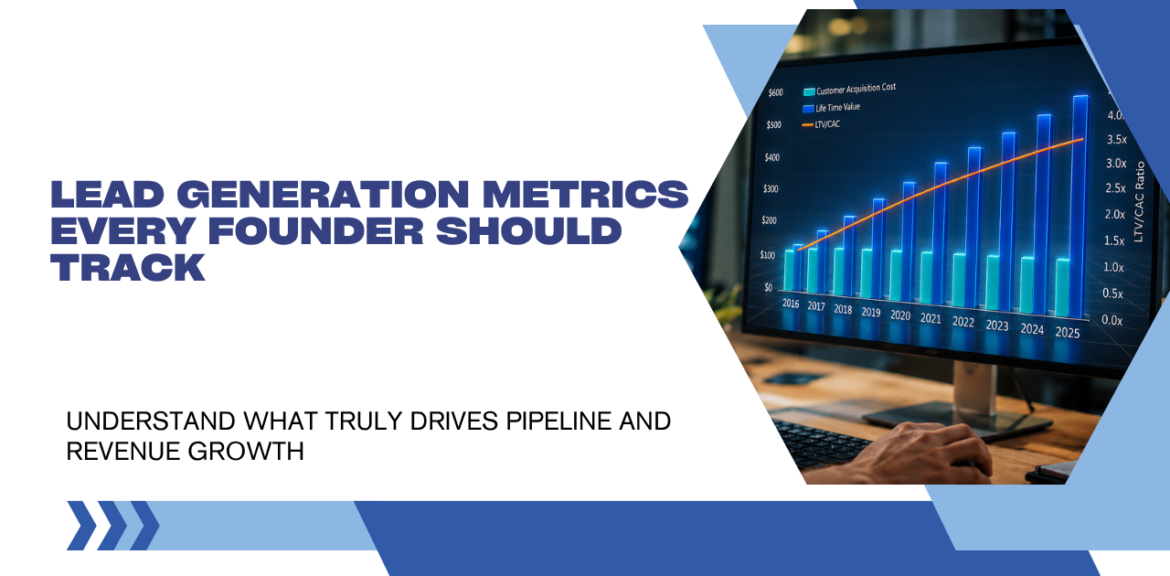
Customer Lifetime Value (LTV) and CAC
For subscription-based organizations, an LTV:CAC ratio of 3:1 or higher is commonly viewed as a strong indicator of scalable growth.
Enterprise organizations may operate within different benchmarks due to larger contract values and longer buying cycles.
How to Improve Performance
- Increase investment in high-performing channels
- Enhance campaign targeting precision
- Improve conversion efficiency across the funnel
- Evaluate acquisition performance alongside customer retention metrics
Attribution Strategy for Growing Organizations
Attribution plays a critical role in understanding which activities contribute most effectively to revenue growth.
Last Non-Direct Attribution
This approach provides a practical foundation for budgeting and channel evaluation.
As Measurement Maturity Increases which expand into
- Multi-Touch Attribution
- Position-Based Attribution
- Revenue Attribution Models
Strategic Consideration
Advanced attribution frameworks provide broader visibility into content marketing, brand awareness activities, and early-stage buyer engagement.
Three Immediate Growth Experiments
1. Accelerate Lead Engagement
Implement:
- One-hour response standards
- Automated lead routing workflows
Timely engagement often contributes to stronger conversion performance and improved customer experiences.
2. Build a Structured Nurture Program
Create targeted nurturing sequences for prospects progressing through the evaluation process. This approach strengthens future MQL and SQL creation while maximizing existing demand generation efforts.
3. Optimize Budget Allocation Based on Lead Quality
Redirect 10% to 20% of investment toward channels producing the strongest MQL-to-customer outcomes. Monitor the impact on CAC, pipeline growth, and revenue contribution over the following 60 days.
Conclusion
Lead generation metrics are executive-level growth indicators that provide visibility into the performance of the entire revenue engine.
Organizations that establish clear definitions, maintain strong data governance, evaluate inbound and outbound channels independently, and continuously monitor conversion efficiency gain stronger forecasting capabilities, improved operational alignment, and greater confidence in strategic decision making.
The objective is not to measure every available metric, the objective is to create visibility into the indicators that support sustainable revenue growth, operational excellence, and long-term business performance.
Which lead generation metric currently provides the strongest insight into growth opportunities within your organization?
Regular reviews of qualification quality, conversion performance, acquisition efficiency, and pipeline progression often reveal valuable opportunities to enhance forecasting confidence, strengthen operational alignment, and support future growth initiatives.
FAQ Section
1. Which lead generation metric should founders prioritize first?
Founders should begin with Lead Conversion Rate because it provides a clear view of how effectively leads progress into customers. It connects marketing efforts, sales execution, and revenue outcomes within a single performance indicator.
2. Why is it important to track inbound and outbound leads separately?
Inbound and outbound leads often follow different buying behaviors, conversion paths, sales cycles, and acquisition costs. Tracking them independently provides clearer insights into channel performance and supports more effective budgeting and optimization decisions.
3. How frequently should lead generation metrics be reviewed?
Operational metrics such as lead volume, MQLs, and SQLs are typically reviewed weekly, while conversion rates, acquisition costs, and channel performance are more valuable during monthly reviews. Strategic metrics such as Customer Lifetime Value and forecast accuracy are often evaluated quarterly.
4. What role does CRM data quality play in lead measurement?
Accurate reporting depends on accurate data. Consistent lead ownership, complete records, standardized lifecycle stages, and effective duplicate management improve visibility across the funnel and strengthen decision-making.
5. Why can high lead volume still result in slow revenue growth?
Lead volume reflects activity, while revenue growth reflects conversion effectiveness. Organizations often achieve stronger growth by improving qualification, nurturing, and sales execution rather than focusing exclusively on generating additional leads.
6. How does Customer Acquisition Cost influence growth decisions?
Customer Acquisition Cost helps organizations understand the efficiency of their sales and marketing investments. Monitoring CAC alongside customer value enables leaders to allocate resources more effectively and support sustainable growth strategies.
7. What is the advantage of using cohort analysis in lead generation reporting?
Cohort analysis groups leads by factors such as acquisition date, source, campaign, or industry segment. This approach reveals performance trends that may not be visible in aggregate reports and helps identify which acquisition efforts generate the strongest long-term results.